NEXRAD volume scans, in order, in three dimensions.
Watch a storm come apart.
Other radar apps show you the storm that is there now. BeamWeather plays the whole run of scans, in three dimensions, so you see the core climb and the column dump.
Coming to iPhoneiPhone · US radar coverage
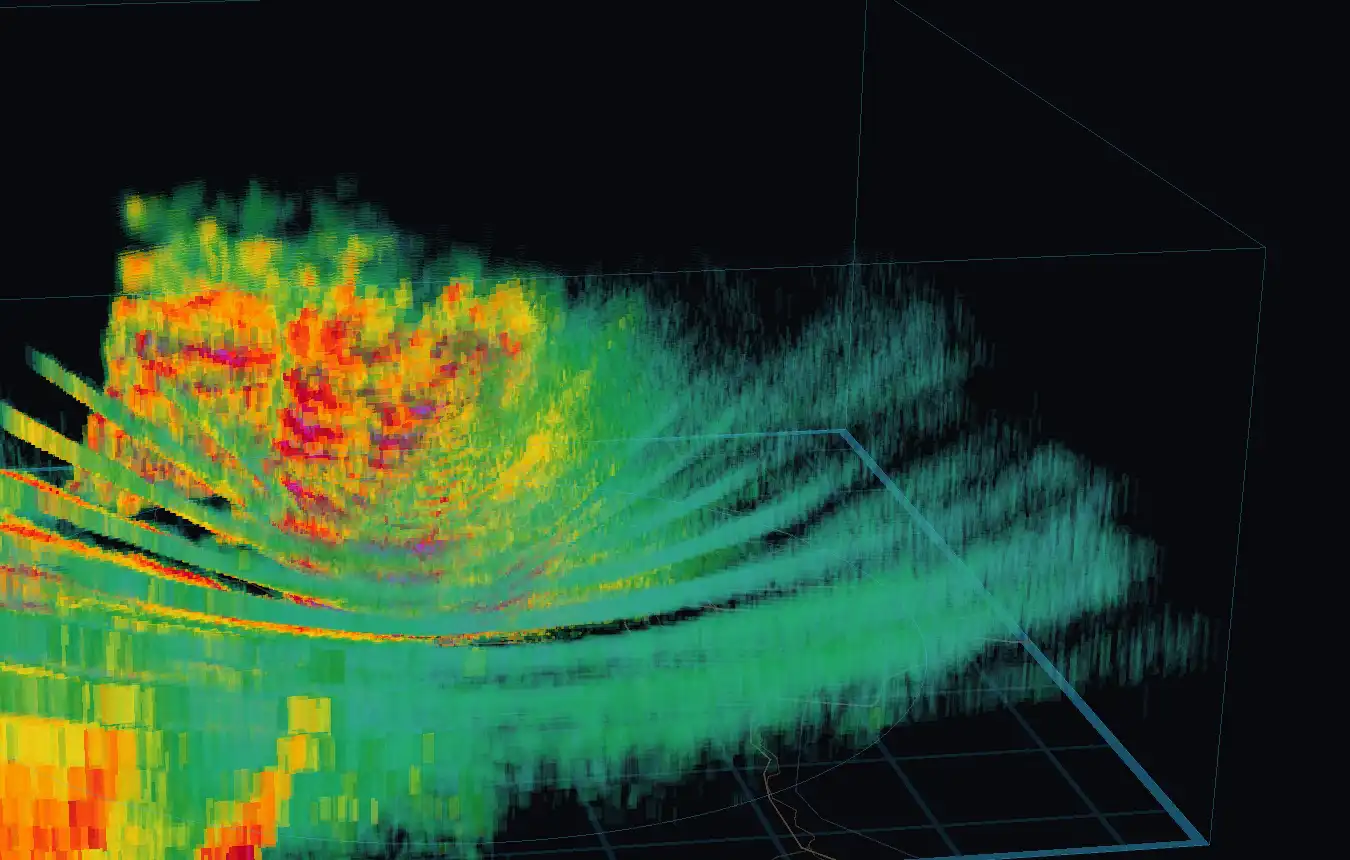
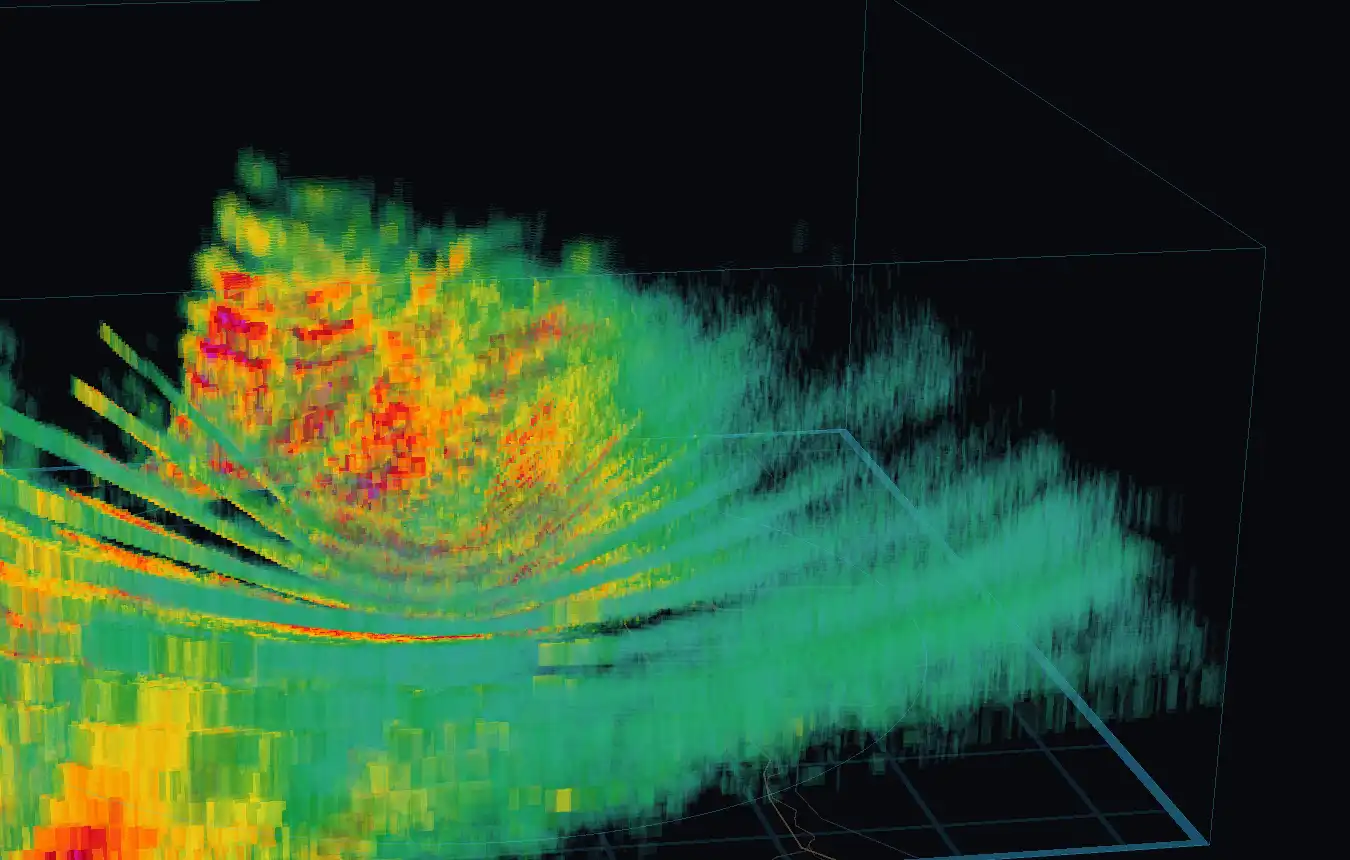
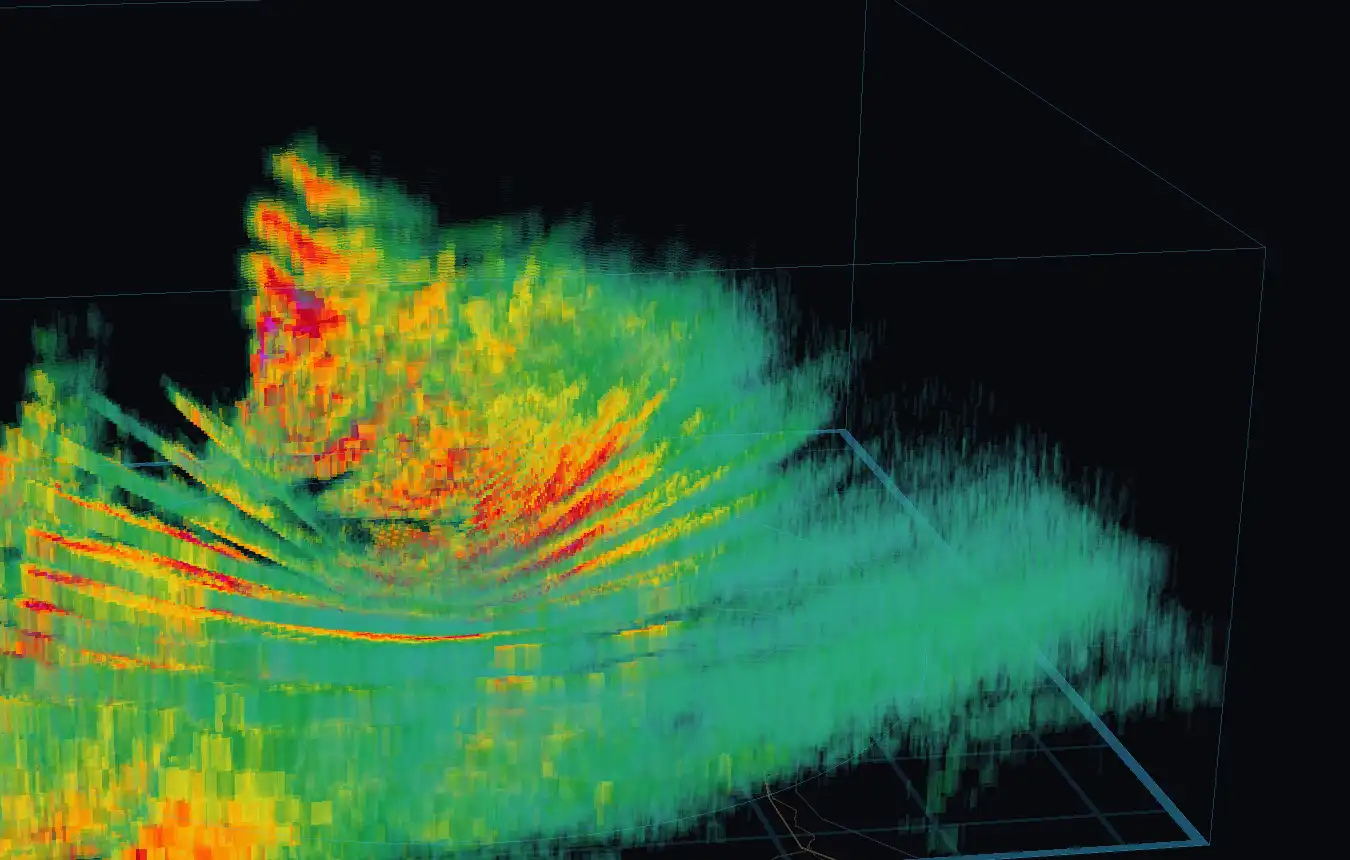
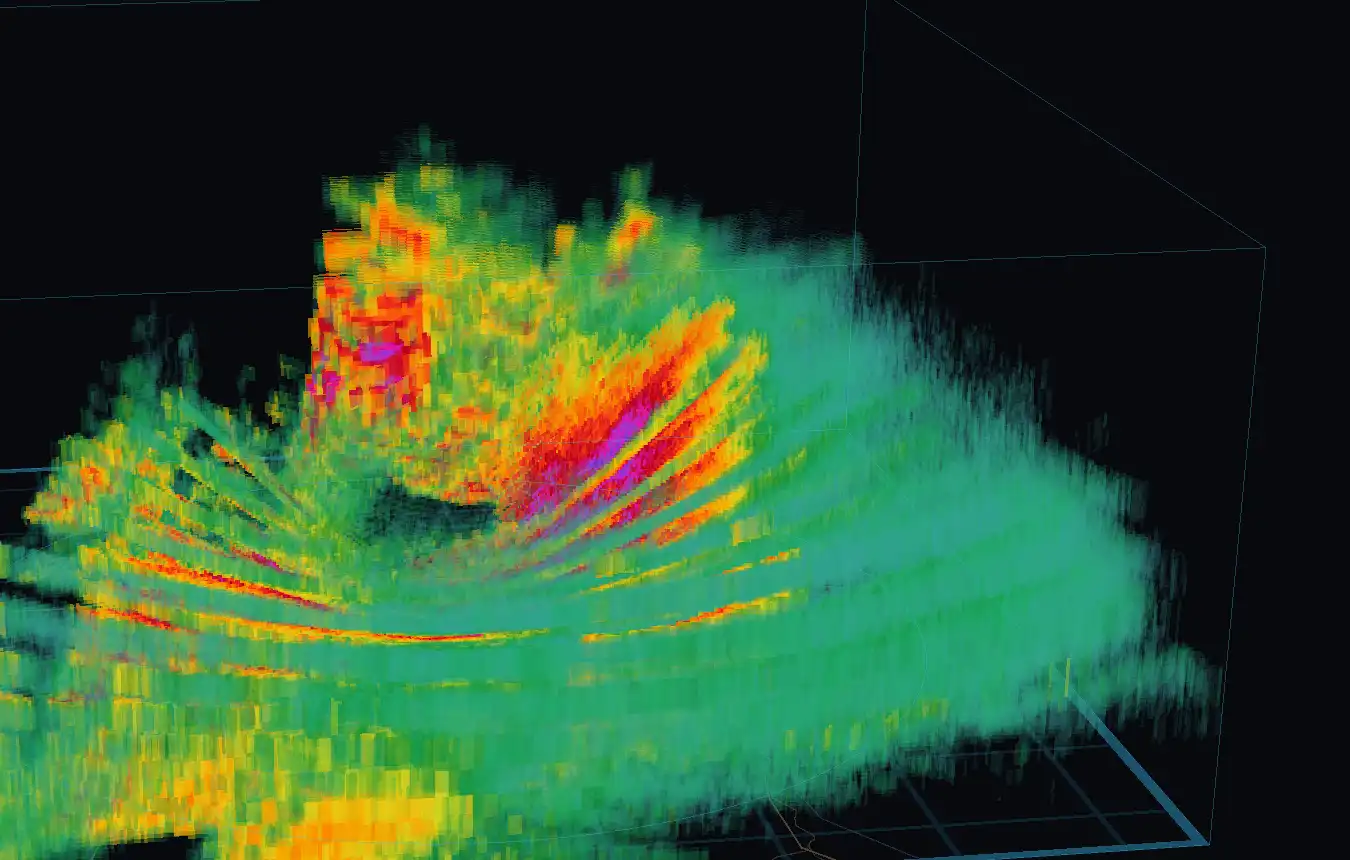
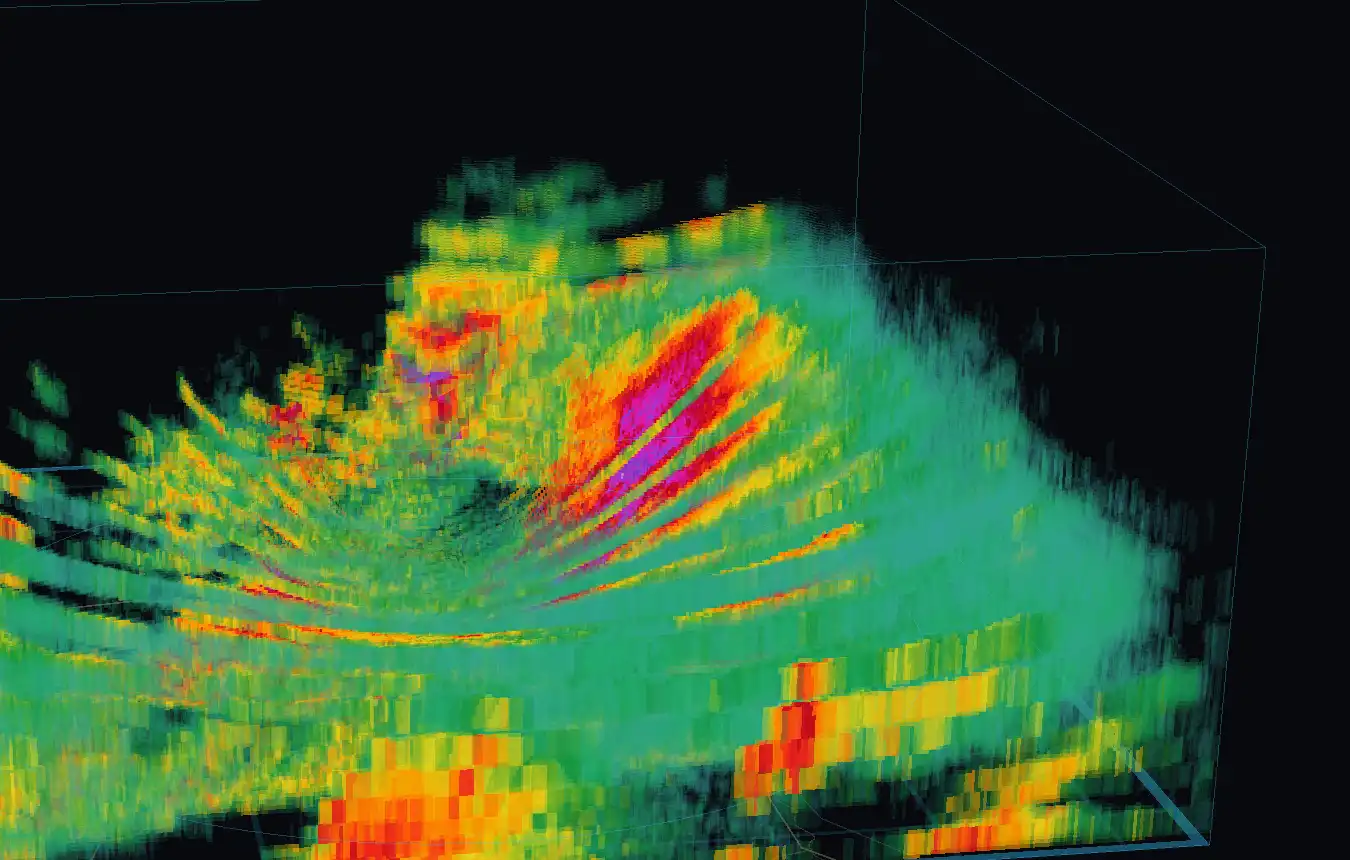
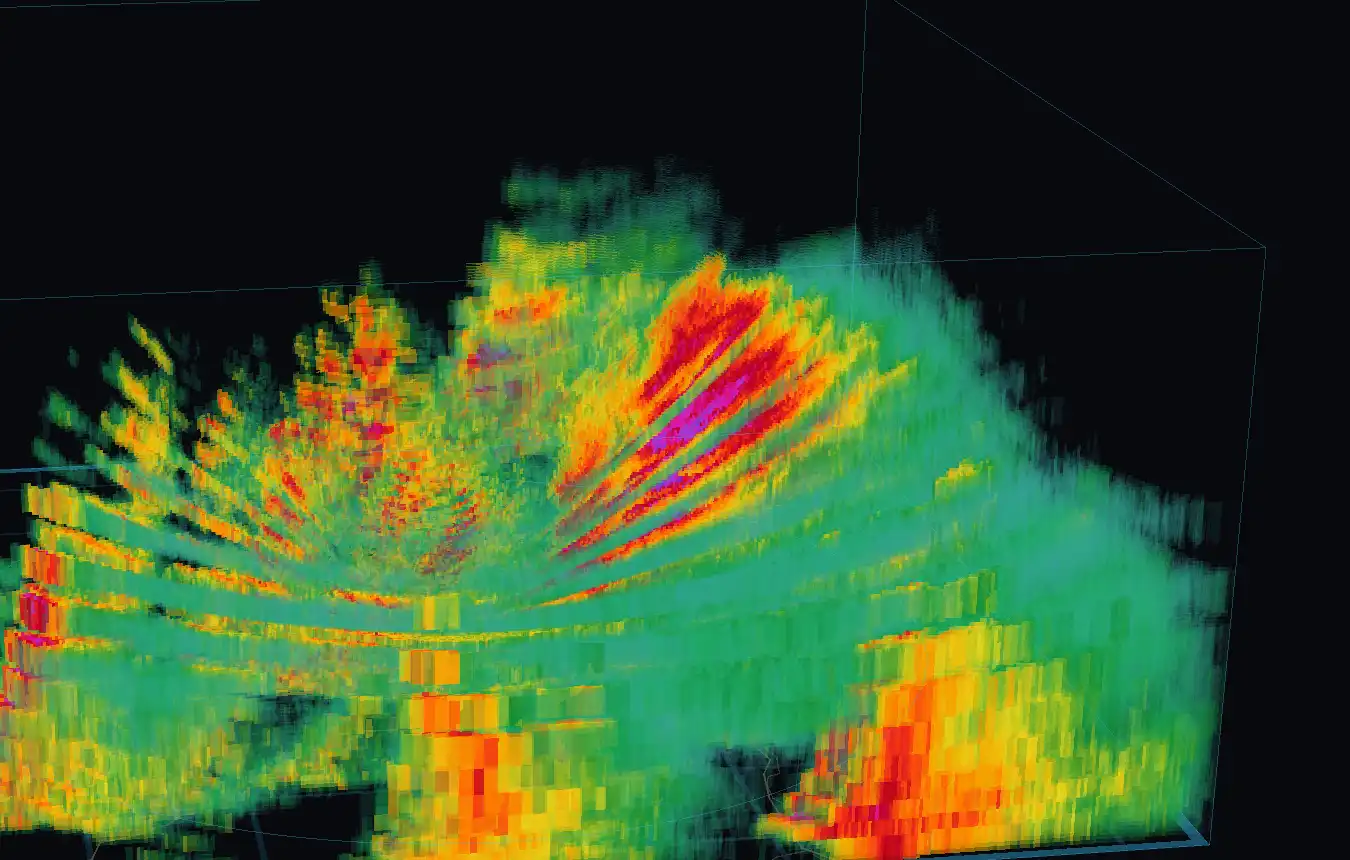
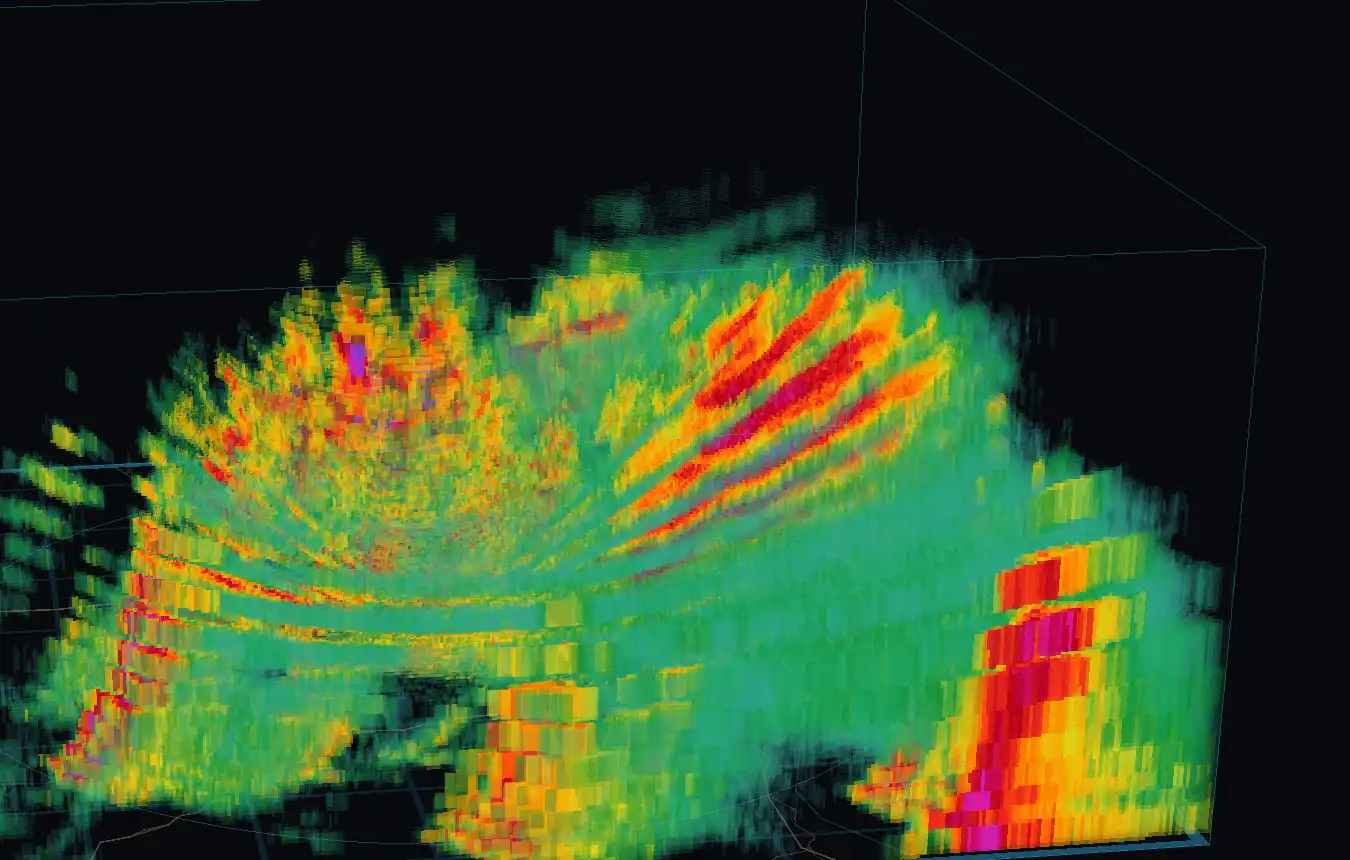
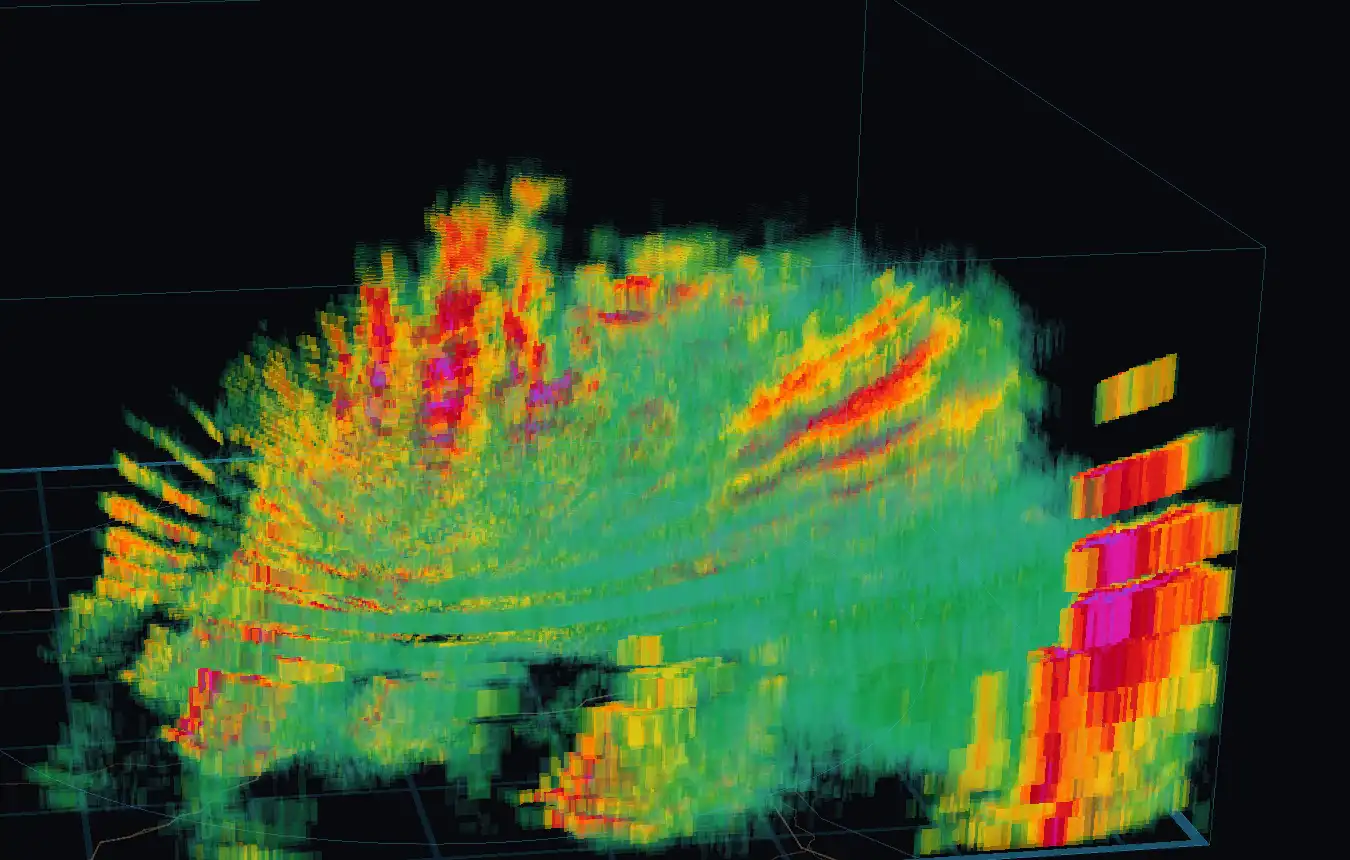
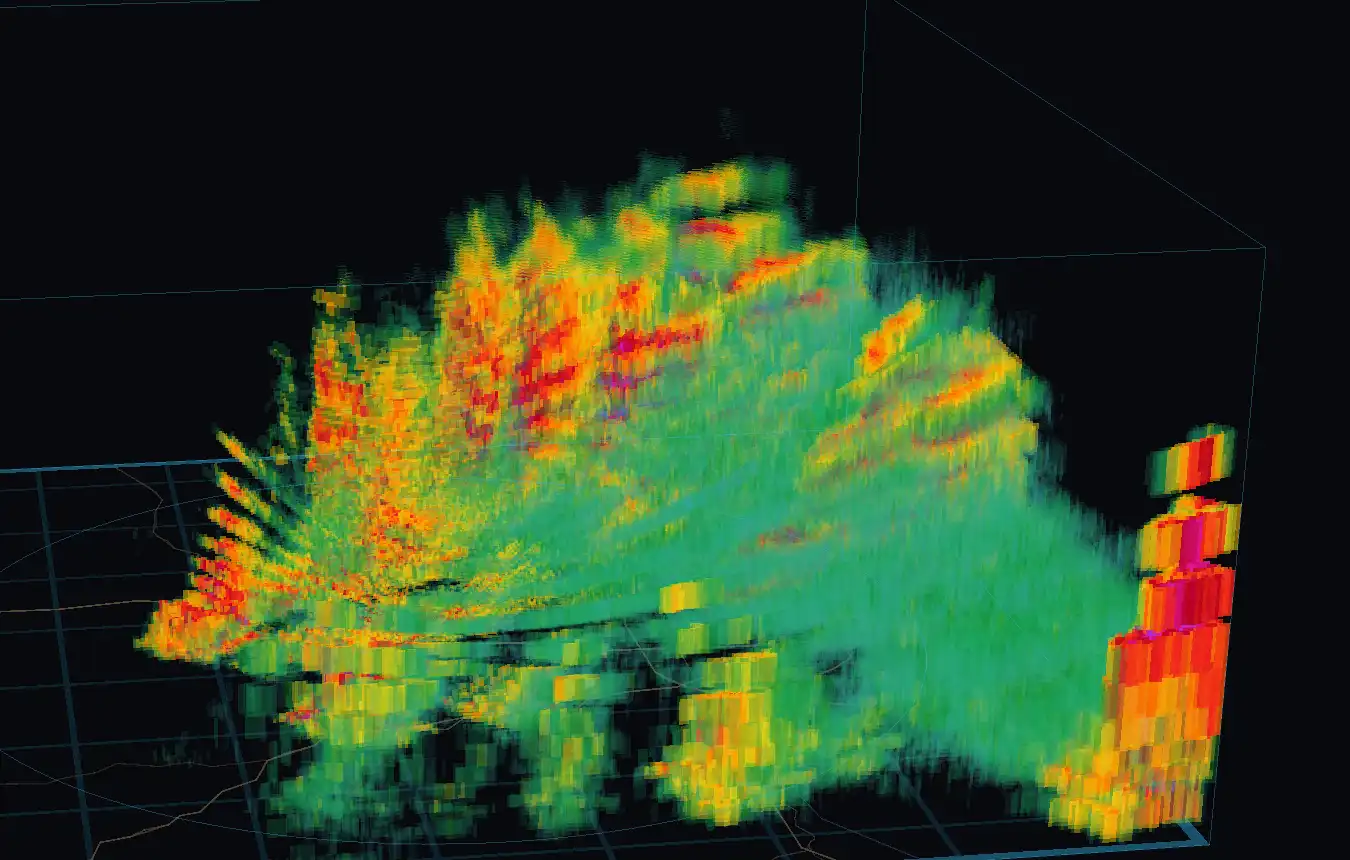
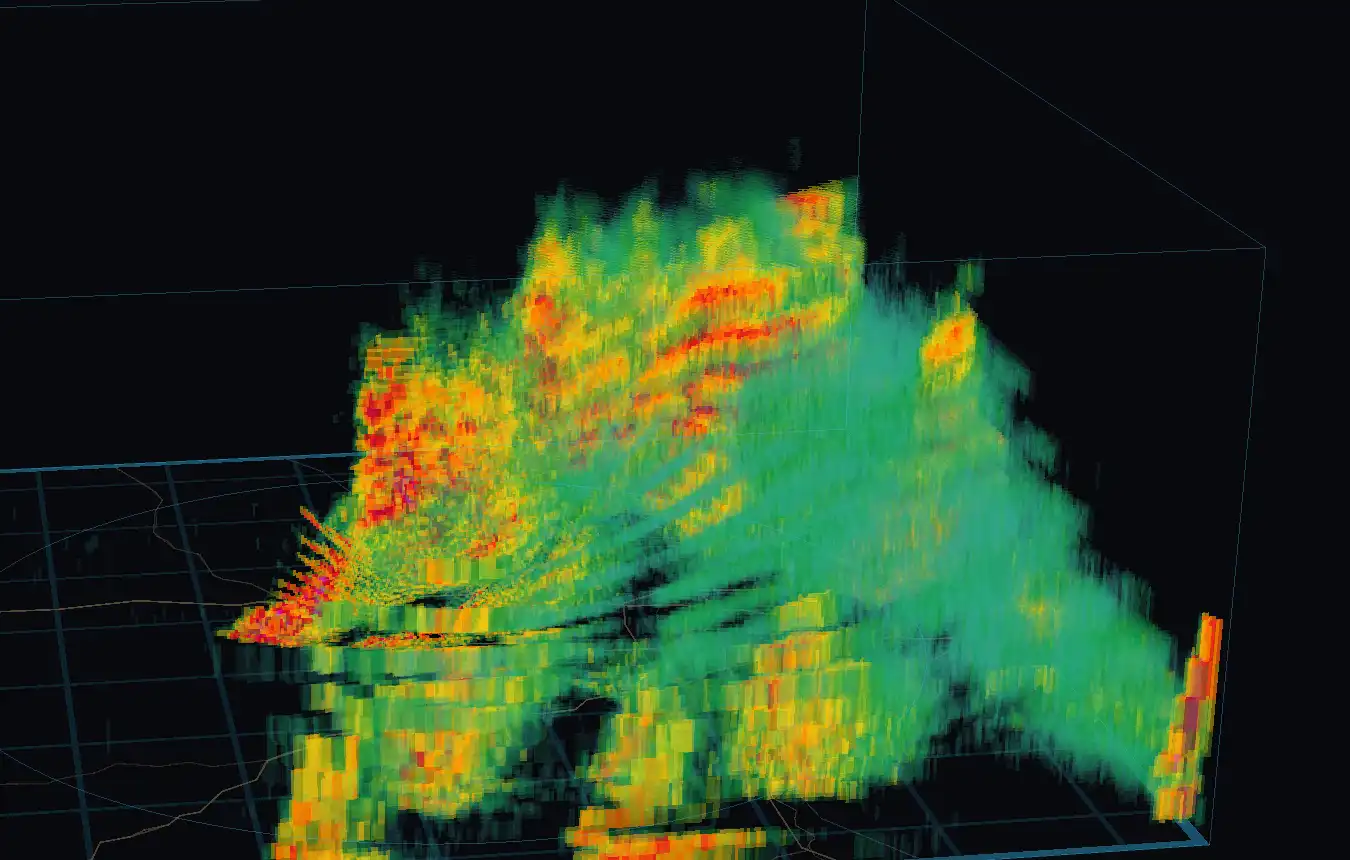
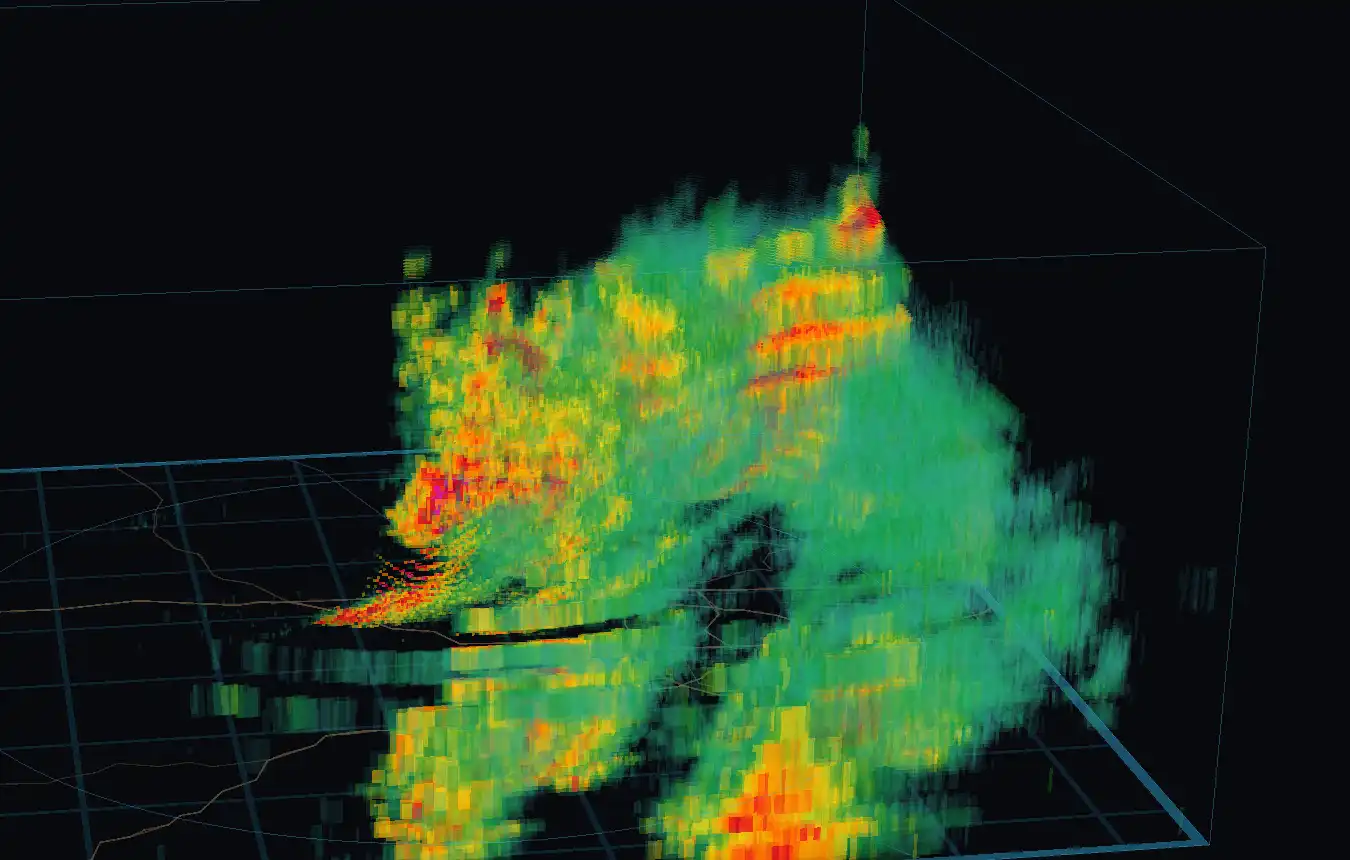
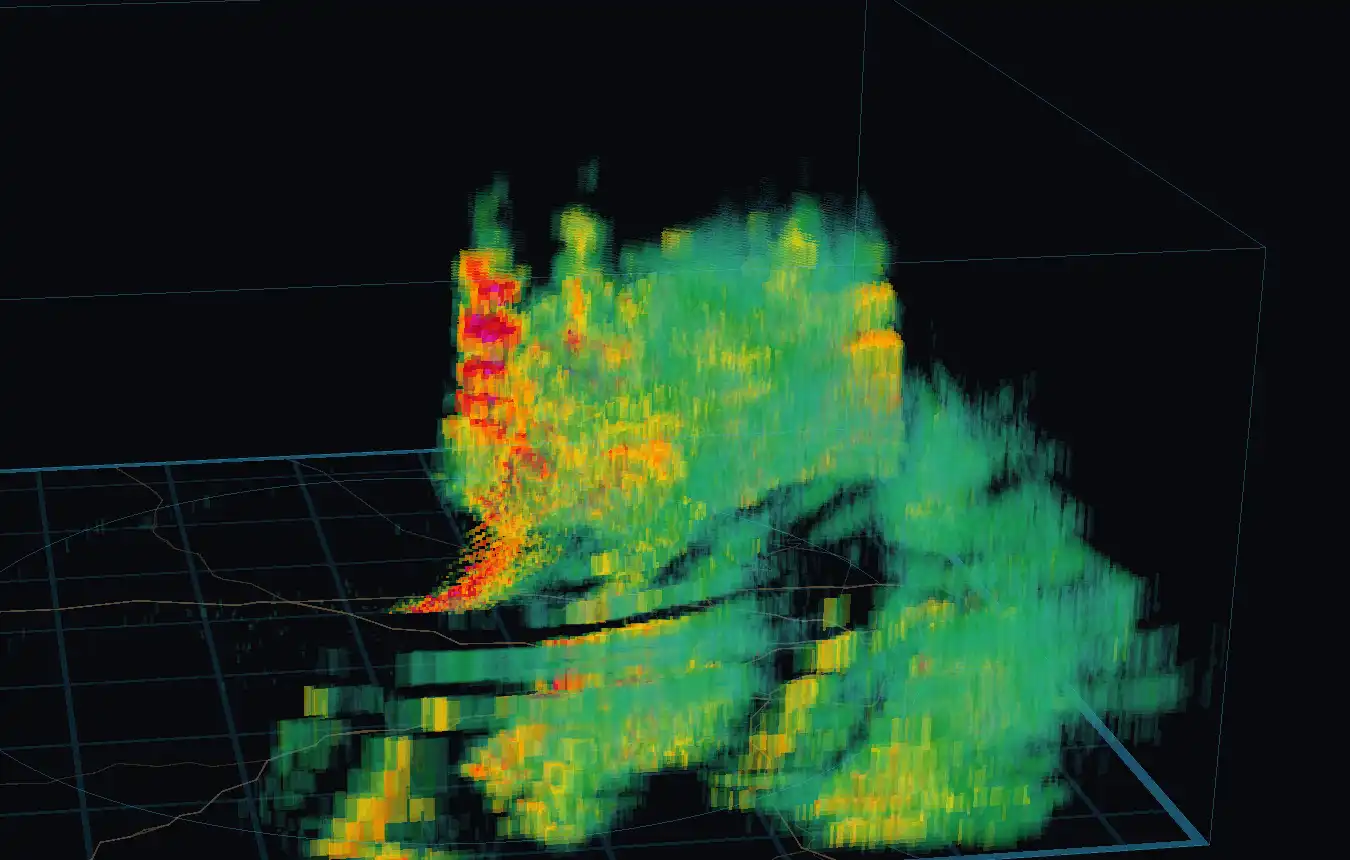
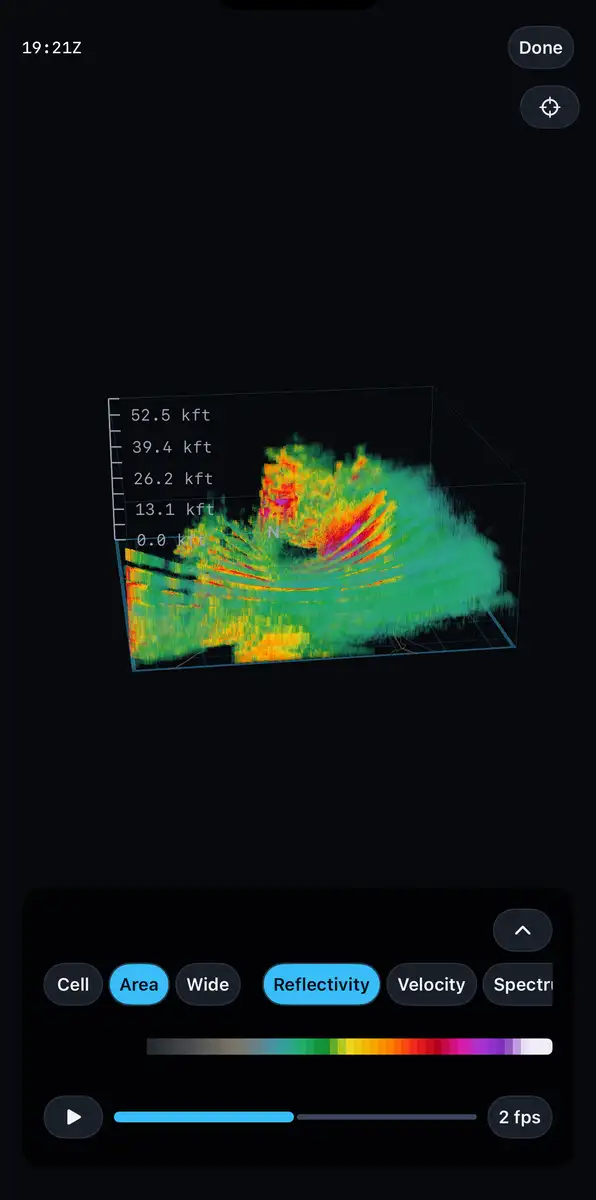
A radar finishes a volume every 4 to 6 minutes. This is a sequence of real scans, held one at a time. It is not video and we won't dress it up as video.
Three things it does that the others don't
The sequence
Every volume the station made, played in order, in 3D. The structure moves.
See what that meansThe wide scope
The whole scan out to 230 kilometres, standing up over the map, with the camera loose.
Look at itWarnings
Watch and warning boundaries on the radar, in the Weather Service's own words, pushed when one lands near you.
How it worksComing to iPhoneiPhone · US radar coverageEverything else it does